Impact Snapshot
Impact & Reports
Evidence of what community sport delivers in Hemmingsmark.
This page brings together our annual highlights, program outcomes, community stories, and reporting priorities so members, partners, and funders can see where participation is growing and where support is still needed.
Annual Review
What changed across access, participation, and local trust in 2025
The past year focused on lowering first-entry barriers, stabilizing volunteer capacity, and improving the quality of program reporting shared with families and partners.
Headline results
Membership growth came from stronger school referrals, a more consistent weekend family schedule, and targeted fee support for households facing cost pressure.
The board also moved reporting into a quarterly rhythm so attendance, safeguarding, and budget signals are reviewed before issues compound.
The strongest outcome was not just higher sign-ups, but stronger continuity: more children stayed connected long enough to build confidence and routine.
Outcome Areas
Four ways the association measures practical community value
Reporting is structured around access, wellbeing, leadership, and belonging, with evidence gathered through attendance, follow-up surveys, and coach observation.

Access
Lowering cost and transport barriers to first participation
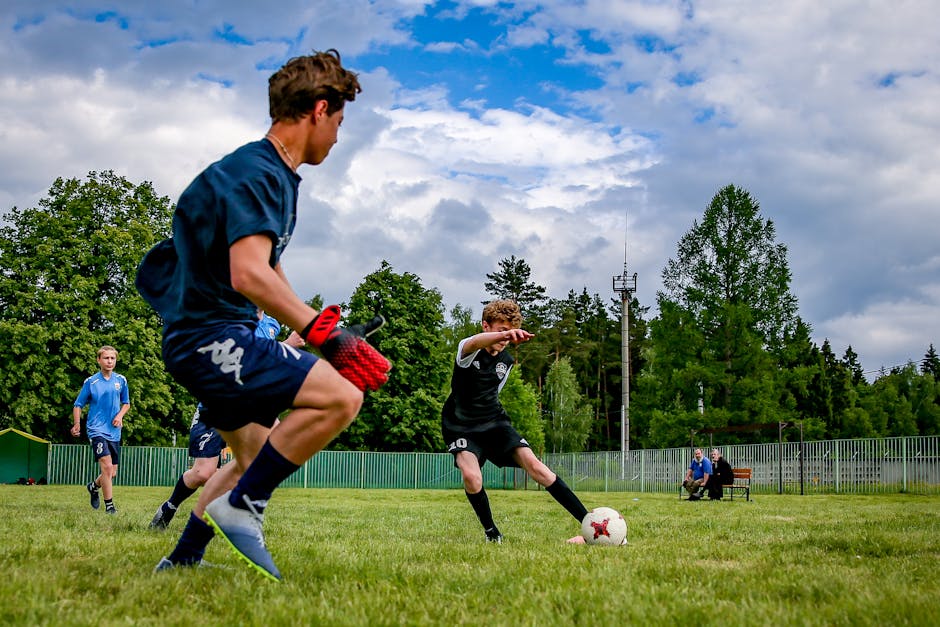
Fee waivers, equipment lending, and family outreach created more reliable entry points for new members.
Wellbeing
Improving confidence, routine, and physical activity across the season
Coaches tracked attendance consistency and participant confidence to identify where extra support was needed.

Leadership
Creating pathways from participant to assistant, mentor, and volunteer lead
Young people were supported into roles that strengthen delivery capacity and keep experience inside the club.

Belonging
Helping members build peer connection and stay engaged beyond one intake cycle
Family check-ins, team routines, and visible volunteer support improved the likelihood that members returned.
Reporting Cycle
How evidence moves from weekly activity into board and partner reporting
Reports are designed to stay simple, timely, and useful for decision-making rather than becoming a year-end paperwork exercise.
Attendance and access data
Wellbeing and retention signals
Safeguarding and risk review
Finance and delivery context
Resource Use
Funding growth has been directed toward delivery rather than overhead
Financial reporting is published as a simple operating picture showing how grants, member contributions, and sponsorship convert into direct community activity.
2023 to 2025 operating trend
Program expenditure increased each year as the association widened access support, improved coach training, and expanded family activity sessions. Administrative costs rose modestly while remaining stable as a share of overall activity.
Income
Program delivery
Administration
Field Stories
Short case studies behind the numbers
Quantitative results matter, but these stories show how support structures, volunteer capacity, and consistency change real participation outcomes.
Family Sessions
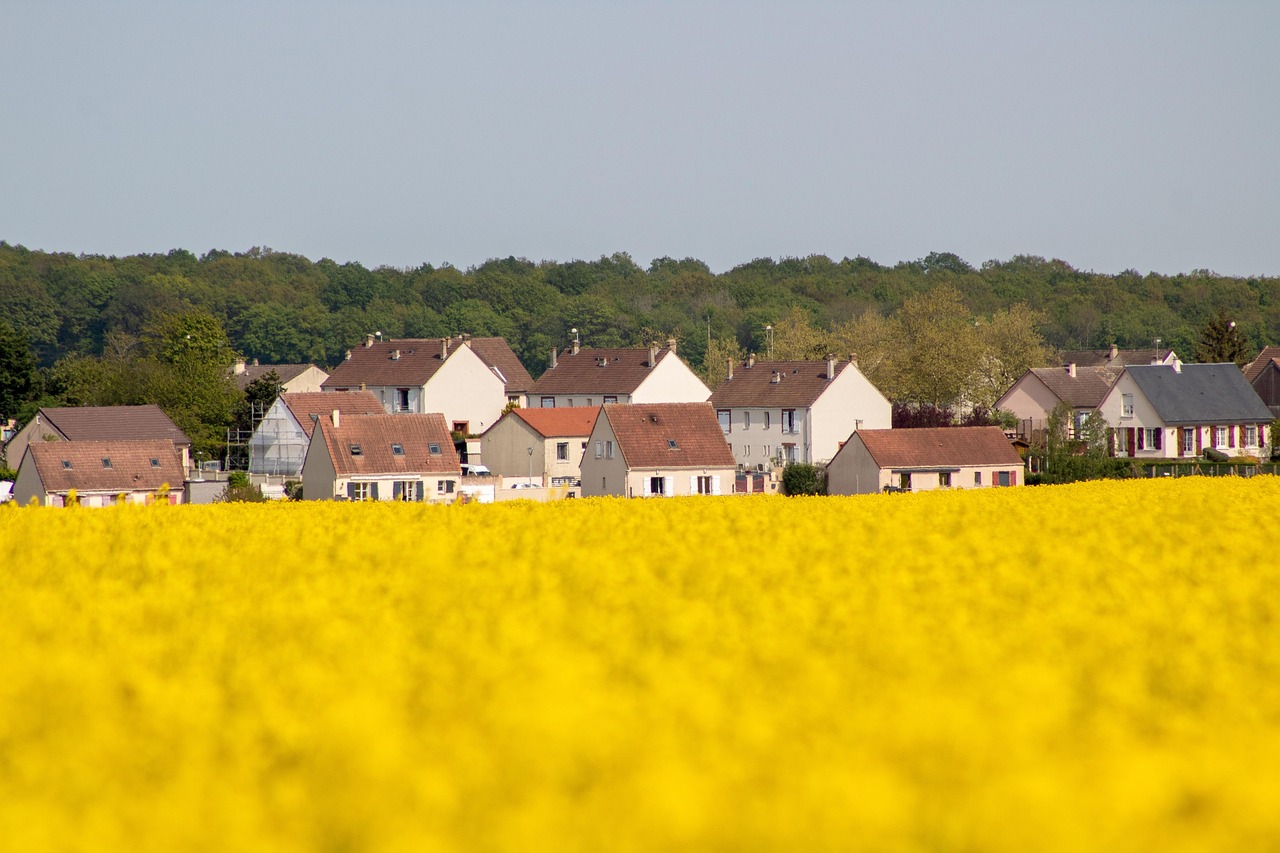
Weekend activity blocks helped families stay connected during seasonal gaps
Drop-in access and mixed-age programming made it easier for siblings and parents to participate together.
75 families engaged
+22% repeat attendance

School Referrals
Referred participants stayed involved when equipment and transport were solved early
Staff and volunteers coordinated first-week follow-up so new entrants had a smoother path into routine attendance.
59 first-time entrants
76% six-month continuation
Youth Leadership
Former players moved into assistant roles and strengthened delivery quality
A structured leadership ladder helped older participants remain connected while supporting younger groups.
18 new assistants
83% retained in role
Report Library
Priority report formats requested by members, partners, and funders
The association publishes short, readable formats so information remains accessible to both internal and external stakeholders.